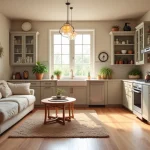

Remember that avocado green refrigerator your grandma had? Or maybe it was the floral wallpaper in your childhood home? The 1990s were a wild ride for design and home improvement, weren’t they? Today, we’re taking a nostalgic trip back to that time, exploring the trends, the materials, and the whole vibe of home improvement 1991 stuff. You’ll learn how to identify vintage pieces, discover how to incorporate some of these retro elements into your current decor, and get tips on sourcing and restoring items from that era. This exploration will provide ideas to inspire you whether you are remodeling your space or are just a fan of nostalgic trends.
Key Takeaways
- Explore the defining characteristics of 1991’s interior design and architectural trends.
- Discover the most common materials and styles of 1991’s home improvement projects.
- Uncover tips for finding and restoring authentic vintage items from that period.
- Learn how to blend retro elements with modern design for a cohesive aesthetic.
- Uncover common challenges and mistakes to avoid when working with vintage materials.
- Gather ideas for incorporating unique 1990s elements in any type of home setting.
1991 Home Improvement: A Look Back at the Trends
The year 1991 was a time of transition in home improvement. Minimalism was starting to emerge, but the flamboyant, often clashing, styles of the 1980s still held sway. Think bold colors, geometric patterns, and a heavy emphasis on functionality. Spaces were often defined by architectural details like archways and columns, coupled with the rising popularity of open-plan living areas. Colors moved towards a palette featuring more pastels, teals, and mauves, often mixed with neutral tones for balance. The design scene was very influenced by the emerging technology sector, reflecting a forward-thinking mindset in people’s living spaces.
Color Palettes and Design Styles in 1991
In 1991, the favored color palettes in homes often involved a mix of soft pastels like seafoam green, peach, and periwinkle, used to complement the neutral tones of beige and off-white. This gave homes a fresh, inviting feeling. Simultaneously, bold accent colors, such as teal, magenta, and mustard yellow, were used to add energy to the spaces. These colors were frequently used to highlight architectural features, and to act as focal points. Design styles ranged from the remnants of the Memphis design movement to more functional, less cluttered, designs. Decor reflected the era, with an emphasis on creating functional and stylish spaces that reflected individual personalities.
- The predominant use of pastel colors in wall paint and fabric choices.
- Geometric patterns and shapes featured heavily in wallpaper, carpets, and accessories.
- A move towards open-plan layouts with archways, columns, and soffits defining spaces.
- The influence of postmodern design, with playful use of shapes and forms.
- The introduction of technology, such as home entertainment systems and early computer setups.
The trend was not just about the specific colors or patterns. It was also about the approach to design. The decade saw a growing focus on practicality, with more adaptable and user-friendly home designs. This marked a shift away from the overly decorative styles of the past, creating spaces that were both aesthetically pleasing and designed for everyday living. The intention was to create environments that felt both unique and comfortable, reflecting a sense of innovation and practicality in the design elements of the era.
Materials and Textures Common in 1991 Homes
The choice of materials in 1991 homes reflected a mix of affordability and style, with an emphasis on easy maintenance. The introduction of laminate flooring, offering cost-effectiveness with a range of patterns, was revolutionary. Carpets were still heavily used, particularly in bedrooms and living rooms, with plush textures and bold designs dominating. Textured walls, often achieved using stippling or sponge painting, were popular for adding depth and visual interest. Kitchens began to integrate elements like Corian countertops and stainless steel appliances. Bathrooms favored ceramic tiles in various shapes and sizes, often coordinated with the color schemes of the rooms.
- Laminate flooring became a popular option, offering durability and diverse designs.
- Wall-to-wall carpeting, often in bold patterns and plush textures, was a mainstay.
- Textured walls, achieved via stippling or sponge painting, for added visual depth.
- Formica and laminate countertops in kitchens, offering practicality and variety.
- Ceramic tiles in bathrooms, used in diverse patterns and color schemes.
The materials of the time were not just about appearance; they also reflected technological advancements. The adoption of engineered wood products and synthetic fabrics provided a blend of function and beauty. The goal was to provide aesthetically pleasing spaces that were also easy to maintain. This approach to home improvement highlighted practicality and an appreciation for lasting beauty. The era emphasized designs that were accessible, practical, and adaptable to various home settings.
Restoring and Incorporating 1991 Stuff in Modern Homes
Bringing back 1991 home improvement elements into a modern home can be fun. It’s about finding the right balance between nostalgia and contemporary design. This includes restoring vintage furniture, incorporating specific design elements, and using the right color palettes. Vintage items may require repair, sanding, or reupholstering. Mixing original pieces with modern elements creates a unique and personalized space. You can blend the aesthetic with a contemporary sofa and a vintage coffee table. The key is to select items that complement each other.
Sourcing and Identifying Authentic Vintage Items
Finding genuine vintage pieces is part of the appeal of bringing back the 1990s aesthetic. Flea markets, antique stores, and online marketplaces offer a wealth of opportunities for acquiring these items. Examine pieces for the original labels or markings, which offer details about the maker and the year of manufacture. The construction materials and techniques can help confirm authenticity, and any imperfections often add to the unique appeal. Careful research helps you choose items that add character and value to any space. Taking the time to explore and investigate will result in uncovering genuine gems that make your home unique.
- Flea markets and antique stores are excellent for browsing and finding unique items.
- Online marketplaces offer a wide selection, allowing you to search based on specific criteria.
- Examine furniture for original labels or maker’s marks to verify its age and provenance.
- Look for items that align with the color palettes and design trends of the era.
- Assess the condition of items, considering the work required for restoration.
The search for original 1991 items requires patience and an eye for detail. The goal is to discover items that not only reflect the style of the era, but also provide a story. These pieces can be conversation starters and reminders of the past. The process of sourcing vintage items can be enjoyable and rewarding, resulting in a home filled with character and personality. These items become a connection to the style of the past.
Restoration Techniques for Vintage Furniture and Decor
The restoration of vintage furniture is an important skill in home improvement 1991 stuff. Cleaning and repairing the items helps ensure they last for years to come. Begin with a thorough cleaning of the item’s surface. Next, address any damage such as scratches, dents, or loose joints. Refinishing wood pieces involves stripping away old finishes, repairing the wood, and applying a new stain or finish. Upholstery may require replacing the fabric and padding. Each step requires patience and the correct tools, but the outcome is rewarding.
- Assess the condition of the item to determine the extent of the restoration work needed.
- Clean the item thoroughly with appropriate cleaners and methods.
- Repair any damage, such as loose joints, scratches, or dents.
- Refinish wood furniture by stripping, repairing, and applying new finishes.
- Upholster items by replacing fabric, padding, and springs as needed.
The objective of restoration is to maintain the item’s original character while preparing it for modern use. Using the correct materials and methods will help to extend the life of the piece. Restoring vintage items will help create a space with unique design and character. The process also provides a sense of connection to the history of the objects, and the satisfaction of preserving the past for the present and the future.
Home Improvement 1991 Stuff: Design Inspiration
Incorporating elements of 1991 in a modern home lets you create a unique space that stands out. You can incorporate key design aspects from the era. Begin with your color palette, choosing colors that echo the original designs of the era. Use the colors in your walls, furniture, or decor. Incorporating key furniture pieces is a quick approach. Select unique pieces like a coffee table or a sofa in a classic style, to reflect the spirit of the 1990s. The goal is to strike a balance between the old and the new. This technique results in a stylish interior design.
Mixing Retro and Modern Elements
Mixing retro and modern elements produces interesting and unique spaces. To do this, focus on balance and harmony. Start with a contemporary design and integrate one or two 1991-style furniture items. For instance, you could add a retro coffee table to a modern living room. The use of accent pieces, such as a vintage lamp or a bold graphic art piece, can also bring in the spirit of the era. The key is to blend the styles thoughtfully. By mixing and matching designs, you can establish an engaging and appealing design, which showcases the best of both eras.
- Start with a modern base and introduce vintage pieces gradually.
- Choose a few key retro pieces to act as focal points.
- Use a color palette that includes both retro and modern tones.
- Balance the use of textures and patterns to create visual harmony.
- Incorporate technology and modern amenities to blend functionality.
This technique lets you create a space that reflects your personality and preferences. This approach avoids creating a room that feels like it has been stuck in time, or one that is missing a sense of personality. You can construct a home that is elegant and timeless. The blend of the old and the new will guarantee that your space is both appealing and welcoming. This will allow for the perfect integration of the past with the present.
Creating a 1991-Inspired Color Palette
Creating a 1991-inspired color palette requires combining the key colors of the era. This involves integrating the pastel shades popular in that decade with neutral tones and accents. Start with a neutral base, such as beige, cream, or light gray. Then, incorporate pastel colors like seafoam green, peach, or periwinkle as accent colors. You can use these colors on feature walls, furniture, and decorative accessories. Including bold accent colors, such as teal or magenta, adds a splash of energy. By blending the core colors of the era, you create a space that feels both nostalgic and fresh. The balance between neutral and bold colors will make the space look up to date.
- Use neutral colors to serve as a base to create a balanced space.
- Incorporate pastel colors on accent walls, fabrics, and decor.
- Add bold accent colors in small doses for vibrancy.
- Use colors that complement each other for visual coherence.
- Consider using color psychology to select colors for your space.
Creating an appropriate color palette will help highlight the feel of the 1990s. By combining both the subtle and bold colors, you’ll create a welcoming space that has a hint of the era’s original charm. By carefully choosing and coordinating the colors, you’ll create a unique and inviting home that pays homage to the design trends of 1991.
Furniture and Decor Ideas from the Era
Selecting furniture and decor is an essential part of the 1991 design aesthetic. Think oversized, plush sofas in neutral colors or bold patterns. Coffee tables made from glass or laminate, often with geometric shapes, were very fashionable. Use these pieces to create a feeling of comfort. In terms of decor, focus on items that reflect the era. This includes geometric prints, ceramic vases, and neon-colored art. Include accessories such as vintage lamps or metal sculptures to capture the feel of the 1990s. These pieces help define a design that is both stylish and evocative.
- Oversized, comfortable sofas in neutral colors or bold patterns.
- Coffee tables made from glass or laminate, often with geometric shapes.
- Geometric prints, which were very trendy in wallpapers and fabrics.
- Ceramic vases and sculptures that add color and interest to the space.
- Neon-colored art and accent pieces that reflect the energy of the time.
By selecting furniture and decor pieces that reflect the spirit of 1991, you will transform any space. These items will not only boost the design of your home, but will also reflect your personal style. By carefully selecting furniture and accessories, you’ll create a unique and nostalgic home.
Home Improvement 1991 Stuff: Common Mistakes and How to Avoid Them
Navigating the realm of home improvement 1991 stuff does come with a few challenges. The intention is to avoid common mistakes while restoring vintage items and incorporating them into your home. Common issues include not preparing surfaces well before painting or selecting the incorrect materials for repairs. The following tips will help ensure the best possible results. These measures will ensure the preservation of the style of the past. By understanding and avoiding these pitfalls, you can turn your home improvement projects into a success.
Overdoing the Retro Theme
One of the most common pitfalls is overdoing the retro theme, which can lead to spaces that appear dated rather than stylish. To avoid this, balance the retro pieces with modern elements. This could include using vintage furniture with neutral, contemporary walls. Choose a few key elements and ensure those are the focus. Incorporating modern design elements will create a cohesive and welcoming space. This approach helps the design avoid feeling cluttered or unappealing. The goal is to achieve an updated, modern look. The design should not feel like an imitation of the past.
- Limit the number of retro items to prevent a dated look.
- Balance retro pieces with modern design elements.
- Choose a few key retro pieces as focal points.
- Use contemporary colors and textures to provide visual balance.
- Ensure the overall design is functional and practical.
Maintaining a balanced design ensures a stylish and appealing space. Incorporating contemporary elements provides an updated look. By carefully selecting and combining elements from different eras, you will have a design that is unique and elegant. This will result in a space that celebrates the past.
Ignoring Practical Considerations
When working with vintage items, overlooking practical aspects can create big issues. Avoid choosing items that do not fit your space or lifestyle. Make sure that all furniture pieces are comfortable and practical for your everyday use. Prioritize functionality by incorporating modern technologies and facilities. For example, integrate modern appliances and updated lighting. If you consider the practicality of your design, your home will be both visually pleasing and comfortable to live in.
- Select furniture pieces that fit in your space, considering room dimensions.
- Make sure that furniture is comfortable and practical.
- Integrate modern technologies and appliances to make everyday life easier.
- Prioritize lighting, ensuring both style and functionality.
- Ensure that your design matches your lifestyle and needs.
By accounting for practical factors, you will ensure the long-term usability of your space. This approach will help you to create a home that is both beautiful and functional. It allows your home to support a comfortable and functional living environment.
Myth Debunking Section
Myth 1: 1991 Design Was All About Flashy Colors and Clutter
The common idea is that 1991 design was all about very flashy colors and clutter, but that’s not exactly true. While it’s true that some homes of that era featured bright colors and bold patterns, a lot of designs included neutral palettes and simpler, more functional layouts. The period saw a transition. Styles varied greatly, with many homeowners choosing balanced and practical designs. The variety of styles in the era prove that there was more than one design approach. Many people embraced the idea of a balanced and functional home.
Myth 2: Restoring Vintage Furniture Is Too Difficult
The idea that restoring vintage furniture is too difficult is a popular misconception. Many simple restoration tasks are achievable with basic tools and some patience. Many online resources and courses provide guidance for restoring furniture, from sanding and painting to reupholstering. The process can be time-consuming, but the reward of saving a piece with character makes it worthwhile. With the correct information, you can manage many restoration tasks on your own. Restoring vintage furniture is an attainable goal for anyone.
Myth 3: All 1991 Decor Is Cheaply Made
Not all 1991 decor was cheaply made, which is another myth. While the availability of cost-effective materials like laminate increased during that time, many pieces were produced with quality construction. Vintage items can hold up better than modern items. Careful selection allows you to find furniture built with solid wood and lasting components. Understanding which makers and materials were used can assist you in finding items that are both stylish and well-built. The longevity of some pieces counters the idea that all 1991 decor was of low quality.
Myth 4: You Need a Huge Budget to Incorporate 1991 Stuff
The belief that a huge budget is required to incorporate 1991-era pieces is inaccurate. There are many affordable options for anyone wishing to adopt this design style. Flea markets, second-hand stores, and online marketplaces offer pieces at various price points. DIY projects like painting and minor repairs allow you to create the design without spending a fortune. Incorporating some vintage items into a modern setting is cost-effective. Creating a stylish home does not require a large budget.
Myth 5: 1991 Style Is Outdated and Unstylish
The idea that the 1991 design style is outdated and not stylish is wrong. The design elements of the 1990s can be reinvented in today’s spaces. Many trends are returning and being modernized. By blending these styles with modern design elements, you can achieve a unique look that feels fresh and current. With the right touch, you can create a design that is both stylish and nostalgic. This demonstrates that styles can be reimagined and adapted.
Frequently Asked Questions
Question: Where can I find original 1991 furniture?
Answer: You can find 1991 furniture at flea markets, antique stores, estate sales, and online marketplaces like eBay and Craigslist.
Question: How do I identify the materials used in 1991 furniture?
Answer: Look for laminate, particleboard, and synthetic fabrics. Solid wood and quality veneers were also used.
Question: What’s the best way to restore a vintage coffee table?
Answer: Begin with a thorough cleaning, followed by sanding, and refinishing. Repair any damage, then apply a new finish.
Question: How can I integrate 1991 colors into a modern home?
Answer: Use pastels as accent colors with a neutral base, and add pops of bolder colors for energy.
Question: Are there any good resources to learn about this era?
Answer: Many books, magazines, and online blogs cover the history and design trends of the 1990s era, offering specific information.
Final Thoughts
Exploring the world of home improvement 1991 stuff gives a chance to relive a distinct era. The mix of bold design choices and practical living offers a distinctive style. Whether you are searching for vintage furniture or looking for ways to include the colors and textures of the decade, the possibilities are diverse and exciting. Sourcing authentic items, learning basic restoration skills, and mixing retro with contemporary elements will help you realize a space that blends the best of the past with present trends. Embrace the chance to experiment with color, texture, and design. You can design an area that is unique and reflects your personal style. Create your home filled with character and personality.