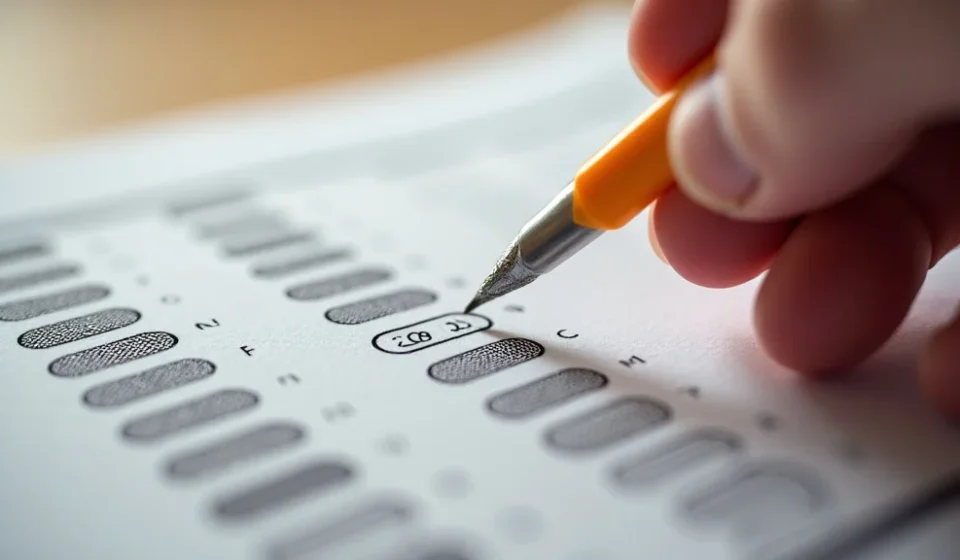

Picture this: You’re finally ready to launch your own contracting business in the Big Apple, excited to turn your passion for fixing things into a career. But before you can start building, renovating, or remodeling, there’s a hurdle: the home improvement exam NYC. This test is your key to getting licensed. This post will break down everything you need to know to pass the home improvement exam NYC. You’ll gain a clear roadmap for success, boosting your chances of scoring high and getting your license, plus, you’ll feel confident about the material covered on the test. Let’s get started!
Key Takeaways
- Learn about the format and topics covered on the home improvement exam NYC.
- Discover essential study resources and test-taking strategies.
- Find out what to expect on test day, including the rules and regulations.
- Understand the requirements for getting your home improvement license in NYC.
- Explore common mistakes people make when preparing for the exam and how to avoid them.
- Gain confidence and motivation to succeed in your licensing journey.
Getting Ready for the Home Improvement Exam NYC
Preparing for the home improvement exam NYC involves several important steps. You’ll need to familiarize yourself with the test’s structure, the subjects covered, and how the licensing process works. The exam isn’t designed to be easy, but proper preparation makes all the difference. Knowing what to expect allows you to approach the exam with confidence and increase your chances of getting a high score. It’s about being prepared, not just hoping for the best.
Exam Format and Structure
The home improvement exam NYC is typically a multiple-choice test, designed to assess your knowledge of the city’s home improvement laws, building codes, and safety procedures. The exact number of questions and the time allowed can vary, so be sure to check the current requirements from the NYC Department of Consumer and Worker Protection (DCWP), the agency overseeing the licensing. You can expect questions on a wide range of topics, including contract law, consumer protection, construction standards, and business practices. The exam evaluates your awareness of specific rules and regulations that home improvement contractors must know to work safely and legally in New York City. The content is generally based on the Home Improvement Law, as well as the NYC Building Code.
- Multiple-Choice Questions: The test is primarily composed of multiple-choice questions, which evaluate your knowledge across a broad range of subjects.
- Exam Duration: Be mindful of the time limit; manage your time efficiently during the exam.
- Topics Covered: The exam covers various subjects, from contract law to consumer protection.
- Question Breakdown: The exact breakdown of questions by topic may differ from one exam to another.
Key Topics Covered on the Exam
The exam covers many essential areas that contractors must be knowledgeable about. These areas include legal and regulatory matters, business operations, and the technical aspects of home improvement projects. You’ll want to study each section thoroughly to improve your odds of success. Knowing the material not only prepares you for the exam but also lays a strong foundation for a successful and legal career in home improvement.
- Contract Law: You’ll be asked about contract requirements, changes, and termination, alongside requirements for the rights and obligations of contractors and homeowners.
- Consumer Protection: Be prepared to answer questions on consumer rights, unfair trade practices, and the requirements for home improvement contracts.
- Building Codes and Safety: Topics include construction standards, permits, safety guidelines, and building practices that ensure work is done correctly and safely.
- Business Practices: Learn about business structures, insurance requirements, record-keeping, and ethical business standards.
- NYC Regulations: You need to know rules from the NYC Department of Buildings and other relevant city agencies.
Effective Study Resources
Using the right study materials is vital for preparing for your exam. The best resources combine detailed explanations, practice questions, and current updates on regulations. These resources equip you with the knowledge and confidence to pass the exam and become a licensed home improvement contractor. Proper preparation provides you with the information you need and helps you develop the ability to address real-world situations.
- Official Study Guide: Check the NYC Department of Consumer and Worker Protection website for official study guides or recommended materials.
- Practice Exams: Practice tests are essential for assessing your knowledge and becoming familiar with the exam format. Many companies offer practice exams, some even simulating the real test environment.
- Training Courses: Consider enrolling in training courses, either in person or online, that focus on the exam topics.
- Online Resources: Explore online forums, discussion boards, and websites that provide test-taking strategies and insights from previous exam takers.
Navigating the Home Improvement Licensing Process in NYC
The licensing procedure in NYC is designed to guarantee contractors fulfill specific standards. This process, overseen by the Department of Consumer and Worker Protection (DCWP), involves a series of steps, from application to exam to license issuance. Each step is crucial, and knowing what’s involved simplifies the process and allows you to become a licensed home improvement contractor.
Application Requirements
The first step is applying for your home improvement contractor license. You must meet certain requirements before you can even think about taking the exam. These requirements ensure that applicants meet basic qualifications for operating a home improvement business legally in NYC. Making sure you meet these requirements ahead of time will save time and allow you to move forward through the steps to your home improvement license.
- Complete the Application: Obtain the application form from the NYC DCWP website or directly from the agency.
- Background Checks: Undergo a background check to confirm you have no prior convictions or violations.
- Proof of Identity: Provide appropriate documentation proving your identity, such as a driver’s license or passport.
- Proof of Insurance: You’ll need to show proof of general liability insurance and workers’ compensation insurance.
- Application Fee: Pay the required application fee to process your application.
Exam Scheduling and Test Day
Once your application is approved, you can schedule your exam. Understanding the process and what to expect on test day will help reduce stress and improve your performance. It’s smart to arrange everything beforehand so you can focus on the test. Reviewing the procedures allows you to enter the testing environment feeling prepared and confident.
- Scheduling the Exam: After your application is approved, the DCWP will guide you on how to schedule your exam.
- Exam Location: Exams are often administered at designated testing centers in NYC.
- What to Bring: You’ll need to bring valid photo identification, such as a driver’s license.
- Test Day Procedures: Follow all instructions provided by the test administrators.
- Time Management: Allocate your time wisely for each question.
Post-Exam Steps and License Issuance
After you complete the exam, there are a few final steps to get your license. This includes reviewing your exam results and completing any remaining requirements, like submitting additional documentation. Following these steps and fulfilling the requirements will enable you to obtain your license and start your career in home improvement. The end result is that you will be a recognized, licensed home improvement contractor, free to conduct business legally within New York City.
- Review Exam Results: You will receive your results shortly after completing the exam.
- Fulfill Remaining Requirements: Address any outstanding requirements such as providing extra documentation or insurance.
- License Issuance: Upon successful completion of all requirements, the DCWP will issue your home improvement contractor license.
- License Renewal: Remember to renew your license before it expires to continue operating legally.
Strategies for Exam Success
Effective exam preparation involves more than just studying; it involves implementing test-taking strategies. These strategies can help manage the exam’s time constraints and ensure that you maximize your score. Using these tactics, you can boost your confidence and perform your best on the home improvement exam NYC.
Effective Study Techniques
Improving your study habits can greatly increase your chances of exam success. Employing various methods that fit your learning style, and consistently reviewing the material, help you retain the information and recall it efficiently during the exam. A well-organized and targeted study plan is your foundation for passing the test.
- Create a Study Schedule: Structure your study time, allocating sufficient time for each topic.
- Use Flashcards: Employ flashcards to memorize key terms, definitions, and important facts.
- Practice Regularly: Take practice exams to become familiar with the format and content.
- Review and Repeat: Frequently review your notes and practice questions to solidify the concepts.
- Group Study: Study with others; this is a great way to learn from one another.
Test-Taking Strategies
Knowing how to approach the exam will help you use your time wisely and minimize anxiety. These strategies can help you maximize your performance. It’s about more than just knowing the material; it is about applying that knowledge effectively.
- Read Questions Carefully: Take your time to understand each question before selecting an answer.
- Manage Your Time: Keep track of the time and allocate sufficient time for each question.
- Eliminate Wrong Answers: Narrow down your choices by eliminating answers you know are incorrect.
- Answer Every Question: Guess if you do not know the answer. There is no penalty for guessing.
- Review Your Answers: If you have time, review your answers before submitting your test.
Common Exam Mistakes to Avoid
Recognizing the common mistakes people make can help you avoid them. Paying attention to these potential pitfalls will help you maintain your focus, increase your accuracy, and prevent unnecessary errors on exam day. Avoiding common issues will keep you on track to passing the exam.
- Poor Time Management: Failing to budget time effectively can lead to incomplete tests.
- Not Reading Instructions: Ignoring the questions carefully can result in mistakes.
- Lack of Preparation: Going into the exam without proper study can be devastating.
- Overthinking Questions: Spending too long on a single question can take away from completing the rest of the exam.
- Not Understanding Key Concepts: A weak grasp of core topics will lead to incorrect answers.
Real-Life Scenarios and Applications
Knowing how to apply your knowledge to real-world scenarios is a key component for becoming a successful home improvement contractor. These scenarios give you practical insights into the situations you may encounter as a professional. By addressing common challenges, you will gain a deeper understanding of the laws, regulations, and best practices.
Scenario 1: Contract Dispute Resolution
A homeowner alleges that the work performed by a contractor does not meet the standards specified in their contract. The homeowner wants the contractor to correct the problems. As a contractor, you must be knowledgeable in contract law, including terms, revisions, and breach of contract. For instance, you could be asked to mediate the problem, ensuring that all aspects of the contract were executed properly. This scenario emphasizes the need for contractors to ensure that contracts are complete and detailed, outlining the scope of work, materials, costs, and project timelines.
- Assess the Situation: Review the contract details to understand the agreements.
- Communicate with the Homeowner: Talk with the homeowner to learn their concerns.
- Document Everything: Keep documentation of communication, adjustments, and resolutions.
- Negotiate a Solution: Agree to rectify the issues to adhere to the contract.
- Implement Corrections: Finish the necessary work and confirm that the homeowner is content.
Scenario 2: Permit and Code Compliance
A contractor starts a kitchen remodeling job without getting the necessary permits. They are in violation of local building codes. In New York City, contractors must always make sure that they have all the required permits and stick to the building codes. A contractor who doesn’t follow the rules is subject to penalties. This situation underscores the importance of being aware of local building codes and the permit procedures necessary for home improvement projects in NYC.
- Stop Work Immediately: Immediately stop any work done without a permit.
- Apply for Permits: Make a permit application from the Department of Buildings.
- Get Inspections: Arrange for all the required inspections after the work is done.
- Correct Violations: Ensure that all work meets the standards.
- Maintain Records: Keep records of all activities, inspections, and permit statuses.
Case Study: Successful Home Improvement Projects
Examining successful home improvement projects gives useful insight into the practices and approaches that lead to excellent outcomes. These case studies can help illustrate the advantages of professional execution, adherence to regulations, and successful client communication. Studying these examples will help you visualize what it takes to excel in the field.
- Residential Renovation: A contractor renovated a historic brownstone. The project was finished on time, within budget, and to the homeowner’s satisfaction. This project required the contractor to collaborate with architects, the Landmarks Preservation Commission, and the Department of Buildings, navigating intricate building codes and restoration standards.
- Kitchen Remodel: The contractor upgraded a kitchen. The project included new appliances, updated cabinets, and energy-efficient lighting. The job was completed with a permit, inspections, and by adhering to the local building codes. The kitchen remodel was successful, increasing the value of the property and giving the owners a stylish, functional space.
- Bathroom Upgrade: A contractor renovated a dated bathroom, transforming it into a contemporary and user-friendly space. The contractor made sure all electrical and plumbing work adhered to the rules and building codes. The success came about through the contractor’s focus on quality, client communication, and a careful project plan.
According to the U.S. Bureau of Labor Statistics, employment of construction and extraction occupations is projected to grow 4% from 2022 to 2032. This growth indicates a steady need for contractors, emphasizing the importance of getting licensed and prepared for a career in the home improvement industry. Moreover, according to a recent study by the National Association of Home Builders (NAHB), home renovation spending in the U.S. is expected to increase steadily over the next few years, offering substantial opportunities for licensed contractors.
Common Myths Debunked
Many myths surround the home improvement exam NYC, which can lead to unnecessary concerns and misinformation. Dispelling these myths with factual information will give you confidence.
Myth 1: The Exam Is Extremely Difficult
Answer: While the exam demands effort, it is not impossible to pass. Effective preparation, including using study resources and understanding the exam format, can significantly increase your success. The difficulty largely depends on your preparation and approach.
Myth 2: You Can’t Pass Without Expensive Training
Answer: Although training courses can be helpful, they are not essential. Many people pass the exam by using the right study resources, practice exams, and self-study materials. The key is in effective and thorough preparation.
Myth 3: The Exam Only Tests Basic Knowledge
Answer: The exam addresses a wide variety of topics, including contract law, consumer protection, and building codes. The exam assesses a complete knowledge base.
Myth 4: The Exam Is Only About Memorization
Answer: While remembering the material is important, the exam also involves applying that knowledge to real-life situations. The ability to understand and apply the concepts is essential.
Myth 5: Failing Is the End
Answer: Failing the exam is not the end of your licensing journey. You can retake the exam after a waiting period. Use the experience to learn from your mistakes and prepare more effectively for the next attempt.
Frequently Asked Questions
Question: How often is the home improvement exam NYC offered?
Answer: The exam is offered regularly. Contact the NYC Department of Consumer and Worker Protection (DCWP) for the most current schedule and locations.
Question: How long does it take to get a license after passing the exam?
Answer: The timeframe varies, but typically, once you pass the exam and fulfill all other requirements, the license is issued within a few weeks.
Question: Can I take the exam in languages other than English?
Answer: Check with the DCWP. They might offer the exam in additional languages. Confirm these options while scheduling your test.
Question: What happens if I fail the exam?
Answer: You can retake the exam. There is usually a waiting period before you can reschedule. You can also review your areas of weakness for the next try.
Question: Is there a penalty for answering questions incorrectly?
Answer: There is no deduction for incorrect answers. So, you should answer all questions. If you don’t know the answer, try to guess.
Final Thoughts
Succeeding on the home improvement exam NYC is a big step toward a fulfilling career. The preparation itself ensures you are ready for a career where you’ll solve problems, create beauty, and provide crucial services for your community. Stay focused and disciplined. Develop a thorough study plan, taking advantage of all resources available. Practice consistently. Understand the licensing process thoroughly. Remember the importance of time management and test-taking techniques during the exam itself. As you work toward your goal, consider the positive impact your skills will have on people’s homes and lives. Take each step thoughtfully and methodically, and you will eventually get your license and become a home improvement contractor. Be sure to use the information, strategies, and resources provided in this post to prepare for the home improvement exam NYC, and good luck!