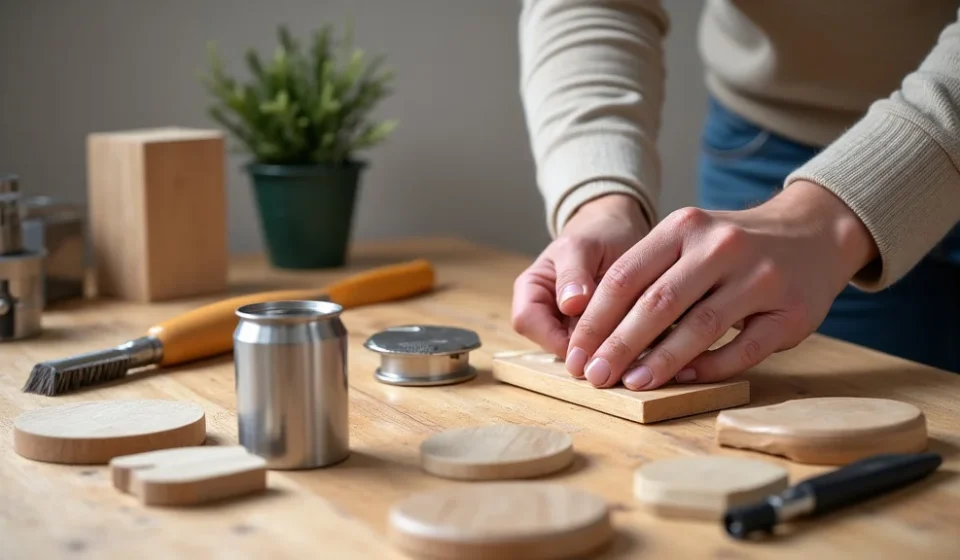

Remember that time you tried to fix a leaky faucet, only to realize you didn’t have the right tools? Or when you wanted to hang a picture, and it turned into a quest for the perfect nail and level? We’ve all been there! This guide is for anyone looking to tackle home improvement & hardware supplies projects with confidence. We’ll explore everything from choosing the right screws to understanding different types of power tools, ensuring you’re prepared for any project. By the end, you’ll feel empowered and ready to transform your space, gaining practical knowledge and reducing those frustrating trips to the store.
Key Takeaways
- Learn how to choose the right tools and supplies for different projects.
- Discover the essential equipment every DIY enthusiast should have.
- Explore various home improvement & hardware supplies categories, from fasteners to power tools.
- Understand the importance of safety when working with tools and materials.
- Get tips for organizing your workspace and maximizing efficiency.
- Find out how to save money and get the best deals on your supplies.
Essential Tools for Every Homeowner
Every homeowner, whether a seasoned DIY expert or a beginner, needs a core set of tools. These essentials form the foundation for tackling many common repairs and projects. Investing in quality tools initially saves time and money in the long run. Buying a cheap tool that breaks halfway through a project is frustrating and ultimately more expensive than buying a well-made one. Furthermore, having the correct equipment increases the likelihood of a project’s success and reduces the potential for mistakes. These basic tools are the building blocks of any successful home project.
Hand Tools You Cannot Live Without
Hand tools are the heart of any DIY toolkit. They require no power source and are perfect for smaller projects or tasks that require precision. A good set of hand tools means you’re prepared for quick fixes and detailed work. Consider these must-have items.
-
Screwdrivers: A set of screwdrivers with various head types (Phillips, flathead) and sizes is fundamental. Different projects require different screw types, so a comprehensive set ensures you’re always prepared. Consider investing in a ratcheting screwdriver for extra leverage.
A ratcheting screwdriver allows you to drive screws with less effort. The mechanism allows for continuous turning, so you don’t have to reposition the screwdriver. This is particularly helpful when working in tight spaces or with hard materials.
-
Hammer: A claw hammer is essential for driving nails and removing them. Choose a hammer with a comfortable grip and a head weight that suits your strength and project requirements. A rubber mallet is also handy for tasks requiring less force, like assembling furniture.
The weight of a hammer head typically ranges from 16 to 20 ounces for general use. Heavier hammers deliver more impact, ideal for heavier-duty tasks. The claw is designed to pry nails out of wood. The curve on the claw allows for leverage to make the process easier.
-
Measuring Tape: Accurate measurements are critical. A retractable measuring tape with a locking mechanism is a must-have for any project. Look for one with clear markings and a durable case.
Measuring tapes typically come in lengths ranging from 12 to 35 feet. Longer tapes are useful for large projects. Always double-check your measurements, as even small errors can cause big problems. Look for a tape with a belt clip for easy access.
-
Level: A level ensures that items are straight and plumb. A 2-foot level is suitable for most home projects. A longer level might be needed for hanging larger objects like cabinets or doors.
Levels use a bubble to indicate if a surface is perfectly horizontal or vertical. Choose a level with clear, easy-to-read vials. Digital levels are also available. These offer precise measurements displayed on a screen, which is useful in low-light situations.
-
Utility Knife: A utility knife is versatile for cutting various materials like cardboard, drywall, and insulation. Opt for a knife with a retractable blade for safety. Always replace the blade when it becomes dull.
Utility knives often have replaceable blades. A dull blade can be dangerous, as it requires more force to cut, increasing the risk of accidents. Safety features may include an auto-retracting blade or a locking mechanism to prevent accidental opening.
Power Tools to Consider
Power tools can speed up projects and make tasks easier. When choosing power tools, consider the types of projects you’ll be doing and the amount of use. Cordless tools offer flexibility, while corded tools provide continuous power. Safety is essential with any power tool.
-
Drill/Driver: This is arguably the most versatile power tool. A drill/driver is used for drilling holes and driving screws. Look for a drill with variable speeds and a clutch setting to prevent stripping screws.
A drill/driver’s torque setting controls how much force the tool applies to the screw. Lower settings are used for smaller screws or soft materials. Higher settings are used for bigger screws or harder materials. Drills often come with a built-in light to illuminate the work area.
-
Circular Saw: A circular saw is ideal for making straight cuts in wood. It is a handheld power saw used to cut various materials, like wood, plastic, or metal. Ensure the saw has a safety guard and use it carefully.
The blade size of a circular saw affects its cutting depth. A saw with a larger blade can cut through thicker materials. A circular saw can be used for everything from cutting wood for a deck to trimming sheets of plywood.
-
Sander: A sander smooths surfaces quickly and efficiently. Consider an orbital sander or a belt sander, depending on your needs.
An orbital sander is great for general sanding tasks, while a belt sander removes material more aggressively. Different grit sandpaper is used for different stages of sanding. Lower grit paper removes more material, while higher grit paper provides a smoother finish.
-
Reciprocating Saw: A reciprocating saw, or “sawzall,” is a versatile tool for cutting various materials in challenging situations. It is helpful for demolition work and cutting through thick materials.
Reciprocating saws can be used for cutting wood, metal, and plastic. They are commonly used for tasks like demolition, cutting through pipes, or trimming branches. Always wear safety glasses and appropriate protective gear when using this tool.
Choosing the Right Home Improvement & Hardware Supplies
The right supplies are just as important as the right tools. When it comes to home improvement & hardware supplies, quality and suitability matter. Selecting the correct materials for each project ensures success and longevity. This section covers key aspects of supply selection.
Understanding Fasteners
Fasteners are critical for joining materials. Different types of screws, nails, and bolts are available, each designed for specific purposes. Choosing the correct fastener for the project ensures strength and durability. Consider the material being joined, the load it will bear, and the environment it will be exposed to.
-
Screws: Screws offer superior holding power compared to nails. They come in various types (wood screws, drywall screws, sheet metal screws) and sizes. Choosing the right screw depends on the material, the thickness, and the application.
Wood screws are designed to penetrate wood. Drywall screws are used for attaching drywall to studs. Sheet metal screws are designed to join metal components. Always consider the screw length. The screw should penetrate deep enough to provide sufficient holding strength.
-
Nails: Nails are effective for quick fastening, particularly in wood. Different nail types include common nails, finishing nails, and brad nails. The nail’s length and gauge must be appropriate for the task.
Common nails are used for general construction tasks. Finishing nails are smaller and are used for trim work. Brad nails are even smaller and are ideal for delicate work like attaching molding. Use a nail gun to speed up the process.
-
Bolts: Bolts are designed to provide a stronger hold than screws or nails. They are typically used for heavy-duty applications. Bolts require a nut to secure them. Washers are often used to distribute the load and prevent damage to the material.
Bolts are available in various grades, which indicate their strength. The bolt head often has markings that specify its grade. Consider the bolt’s length, diameter, and thread pitch. Make sure you use the appropriate wrench size to tighten the bolt securely.
Selecting the Right Wood and Lumber
Wood is a foundational material for many DIY projects. Choosing the proper wood type impacts the project’s appearance and durability. The grade and treatment of the wood are also essential considerations.
-
Common Wood Types: Various wood types are available. Each has unique characteristics that make it suitable for different projects.
Pine is a soft wood, easy to work with and inexpensive, making it suitable for many projects. Oak is a hardwood known for its strength and durability, ideal for furniture and flooring. Cedar is weather-resistant and is often used outdoors. Consider the wood’s density, grain, and color when choosing.
-
Lumber Grading: Lumber is graded based on its quality, which affects the price and application. Different grades are for different purposes.
Construction-grade lumber is suitable for structural applications. Select-grade lumber is for furniture and finished projects. Clear lumber is free of knots and blemishes. Grading standards help you to assess the appearance and structural properties of the wood.
-
Wood Treatment: Wood treatment makes the wood more resistant to moisture, insects, and decay. Choosing the right treatment depends on the project’s requirements.
Pressure-treated wood is suitable for outdoor use. Sealers and stains protect the wood from the elements. Different treatments include preservatives, water repellents, and finishes. Consider the level of protection needed and the project’s aesthetic goals.
Paint and Finishes: Adding the Finishing Touches
Paint and finishes enhance the look and protect surfaces. Selecting the correct product, from paints to stains, makes a significant difference. Consider the surface, the desired finish, and the environmental factors.
-
Paint Types: Different paint types are formulated for various surfaces and applications. Different paint types also offer different characteristics.
Latex paint is water-based, easy to clean, and suitable for interior walls. Oil-based paint offers durability and is often used on trim. Acrylic paints provide good adhesion and flexibility. Paint’s finish can vary from flat to glossy. The finish chosen depends on the desired look and use.
-
Primers: Primers prepare the surface for painting, promoting adhesion and coverage. Choosing the correct primer is critical. Different surfaces require different primers.
A primer is a base coat that seals the surface. This helps paint adhere better. Primers also even out the surface. They can also prevent stains from bleeding through. Always use a primer that is compatible with the paint you are using.
-
Stains and Sealers: Stains and sealers protect wood surfaces while enhancing their appearance. Consider how much protection is needed when making a decision.
Stains add color and protect wood. Sealers add a clear protective layer. Different stains and sealers are for interior and exterior use. The choice of finish depends on the desired look and the level of protection needed.
Safety First: Protecting Yourself on the Job
Safety is the most important factor when working on any home project. Safety measures protect you from injuries and accidents. Following these guidelines helps you maintain a safe work environment.
Personal Protective Equipment (PPE)
PPE protects you from hazards. Essential PPE includes safety glasses, gloves, and respiratory protection. The right PPE is a barrier between you and potential hazards. Ensure you have the appropriate gear for the project.
-
Safety Glasses: Safety glasses protect your eyes from debris, dust, and splinters. Always wear safety glasses when using power tools, hammering, or performing any task that could cause eye injury.
Safety glasses should fit snugly and provide a clear field of vision. Consider safety glasses with side shields for additional protection. Replace safety glasses if they become scratched or damaged, as this can affect your vision.
-
Gloves: Gloves protect your hands from cuts, abrasions, and chemicals. Choose gloves based on the task.
Work gloves provide grip and protection when handling tools and materials. Chemical-resistant gloves are essential when working with paints or solvents. Choose gloves that fit properly and allow for dexterity. Check gloves for wear and tear before each use.
-
Respiratory Protection: Respiratory protection protects you from inhaling dust, fumes, and other airborne particles. A mask is necessary when sanding, painting, or working with materials that release harmful particles.
Dust masks provide basic protection. Respirators with filters offer better protection against fumes and vapors. Always choose the correct type of respirator for the task. Ensure that the mask fits properly and creates a good seal to prevent contaminants from entering the air.
Safe Work Practices
Safe work practices reduce the risk of accidents. Use tools correctly, maintain a clean workspace, and always be aware of your surroundings. Safety habits prevent accidents.
-
Tool Usage: Always use tools according to the manufacturer’s instructions. Ensure tools are in good working order before use.
Inspect tools for damage before each use. Never use a tool that is damaged. Read the tool’s manual. Make sure you understand how to use it safely. Use the right tool for the job. Use clamps to secure materials when cutting or drilling.
-
Workspace Organization: A clean and organized workspace reduces the risk of accidents. Clear away clutter.
Keep your workspace well-lit and well-ventilated. Store tools and supplies safely. Clean up spills immediately. Remove any obstructions from your work area. Always clean your workspace at the end of the project.
-
Electrical Safety: Electrical safety is essential when using power tools. Ensure your electrical outlets are working properly.
Use grounded tools and extension cords. Avoid using tools in wet conditions. Never touch electrical cords with wet hands. Disconnect tools from the power source before making adjustments. If you’re working with electricity, consider consulting a qualified electrician.
Workspace Organization and Efficiency
An organized workspace saves time and improves productivity. A well-organized space reduces frustration and makes projects easier. With these simple strategies, your work will be efficient and enjoyable.
Setting Up Your Workspace
The workspace should be designed for safety and convenience. Consider these factors when setting up your work area.
-
Location: Choose a well-lit, ventilated area for your work. Consider whether you need an indoor or outdoor workspace.
If you’re working indoors, ensure the space is well-ventilated to avoid inhaling harmful fumes. If you’re working outdoors, choose a flat, level surface. The location should be away from hazards such as vehicle traffic. Make sure you have access to electrical outlets.
-
Storage Solutions: Use storage solutions to keep tools and supplies organized. Storage keeps everything within reach.
Use shelves, drawers, and pegboards to store tools and supplies. Label storage containers. Sort items by category to make it easier to find them. Keep frequently used items within easy reach. Keep hazardous materials in a locked cabinet.
-
Work Surfaces: Ensure you have a sturdy work surface to work on. A good work surface is critical.
A workbench is ideal for most projects. Consider adding a vise or clamps to secure materials. A folding table is useful for smaller projects. Ensure the surface is the right height for comfortable working. Keep the work surface clean and free of clutter.
Maximizing Efficiency
Efficiency saves time and effort. Organizing your workspace correctly helps maximize efficiency. These tips make DIY projects run smoothly.
-
Planning and Preparation: Planning is important. Plan out your project and gather all supplies beforehand.
Create a checklist of the tools and materials you’ll need. Take accurate measurements and cut materials to size before you start. Clear your workspace and set up your tools before you begin. Planning prevents delays and reduces mistakes.
-
Tool Organization: Organize your tools so they are easily accessible. A well-organized tool area makes the process easier.
Place tools you use frequently within easy reach. Use tool organizers to keep your tools sorted. Return tools to their proper place after each use. A tidy work area saves time and frustration.
-
Cleaning as You Go: Clean up as you work. This simple practice keeps the space clean and safe.
Sweep up sawdust and debris regularly. Wipe up spills immediately. Dispose of waste materials properly. Cleaning as you work prevents clutter from building up and reduces the risk of accidents.
Cost-Saving Tips and Where to Buy
DIY projects can be expensive. Saving money on home improvement & hardware supplies can make projects more manageable. Budgeting and smart shopping are key to a successful project.
Finding the Best Deals
Finding the best prices helps keep costs down. Comparison shopping, sales, and discounts all contribute to savings.
-
Comparison Shopping: Compare prices between different retailers. Comparison shopping pays off.
Compare prices from various online and physical stores. Check weekly ads and circulars for sales and promotions. Consider buying in bulk for frequently used supplies. Don’t be afraid to shop around. Saving even a small amount on each purchase adds up.
-
Sales and Promotions: Take advantage of sales and promotions to save money. Retailers often have sales.
Look for seasonal sales and clearance events. Check for coupons and discounts online and in-store. Sign up for email newsletters to stay informed about sales and promotions. Time your purchases to coincide with sales events.
-
Buying Used or Refurbished: Buying used or refurbished items saves money and is environmentally friendly. Consider buying used or refurbished to cut down costs.
Some tools are available used, in good condition, at a lower cost. Refurbished tools often come with warranties. Check local listings and online marketplaces for used tools and supplies. Always inspect used items carefully before purchasing.
Where to Buy Your Supplies
Knowing where to buy home improvement & hardware supplies makes the process easier. Several places sell a vast selection of tools and materials. Choose a place you like best.
-
Big Box Stores: Large retailers offer a wide variety of tools and supplies. Big box stores are convenient.
These stores offer a large selection. Prices are usually competitive. They offer a range of products. They often have knowledgeable staff. Look for special sales and promotions.
-
Specialty Hardware Stores: Specialty stores provide expert advice and a wide range of unique items. These are great if you have a unique project.
These stores offer specialized products. You can get expert advice from staff. They usually have a better selection of specialized tools. They are a good choice if you have a specific project in mind.
-
Online Retailers: Online retailers are convenient. Online retailers are often a good option.
They offer a wide selection and competitive prices. You can often find great deals. Be sure to check reviews before buying. Compare prices from different vendors before purchasing. Shipping costs can increase the cost.
Common Myths Debunked
Myth 1: You Need Expensive Tools to Do DIY Projects
The belief that you need expensive tools to start DIY projects is inaccurate. While professional-grade tools may be superior, they aren’t essential for beginners or occasional projects. Good quality, affordable tools can accomplish a lot. You can always upgrade as your skills and needs evolve. Focus on acquiring essential tools first.
Myth 2: DIY Projects Always Save Money
DIY projects do not always save money. While you may save on labor costs, mistakes and unexpected expenses can quickly increase the overall project cost. Proper planning, careful budgeting, and a realistic assessment of your skills are critical. It is essential to weigh the costs and benefits before you start any DIY project.
Myth 3: All Wood Is the Same
All wood is not created equal. Different wood types have unique properties, making some suitable for specific projects. Softwoods are easier to work with. Hardwoods are more durable. Understanding the characteristics of different wood types is necessary to make the best choice. This includes considering factors like grain, durability, and cost.
Myth 4: Safety Gear Is Optional
Safety gear is not optional; it is essential. Many people mistakenly believe safety gear is only for professionals. Ignoring safety measures and failing to use protective equipment can lead to serious injury. Always wear safety glasses, gloves, and appropriate clothing to protect yourself.
Myth 5: You Don’t Need to Read Instructions
Reading instructions is not optional. It is essential for successful projects. Skipping instructions is a common mistake that often leads to mistakes. Even experienced DIYers should read the instructions. Instructions guide you. They offer advice and help avoid mistakes. This can save time and frustration.
Frequently Asked Questions
Question: What are the most essential tools for a beginner?
Answer: A hammer, screwdriver set, measuring tape, level, and utility knife are essential for beginners.
Question: How do I know what type of screw to use for a project?
Answer: Consider the material, the thickness, and the application. Wood screws are for wood, drywall screws for drywall, and sheet metal screws for metal.
Question: What’s the difference between latex and oil-based paint?
Answer: Latex paint is water-based, easy to clean, and good for interior walls. Oil-based paint is durable and often used on trim.
Question: How often should I replace utility knife blades?
Answer: Replace utility knife blades when they become dull or damaged to prevent accidents.
Question: Can I use power tools if I’m not a professional?
Answer: Yes, but always follow the manufacturer’s instructions and prioritize safety. Start with basic skills and tools.
Final Thoughts
Now that you’ve explored the ins and outs of home improvement & hardware supplies, you’re better prepared to confidently start your next project. Remember that building your skills takes time and practice, so don’t be afraid to start small and learn along the way. Focus on safety, quality, and planning, and you’ll soon be tackling bigger and more ambitious projects. The most crucial part of any DIY project is starting and experimenting with confidence. With the right tools and supplies, your dream home projects are possible, so explore your imagination and start creating.